Panjrapols
Cow shelters, also called gaushalas
They post what the animals in their care need. Feed, medicine, water during a dry spell, a shed roof that has given way.
Verified Panjrapols and Sanghs across India
Every need posted here comes from a verified shelter or sangh, with photographs and an exact cost. Once you fund it, they upload the purchase bill and pictures of what your money bought.

Six-step verification
Papers, GPS pin and a physical visit before a shelter is listed
Straight to their bank
Your donation settles into the organisation's own account
Bill and photos
Every closed requirement carries proof you can look at
80G receipt
Generated for you and kept in the app for tax season
Who you can support
Both go through the same six checks before they appear, and both answer for the money the same way afterwards.
Cow shelters, also called gaushalas
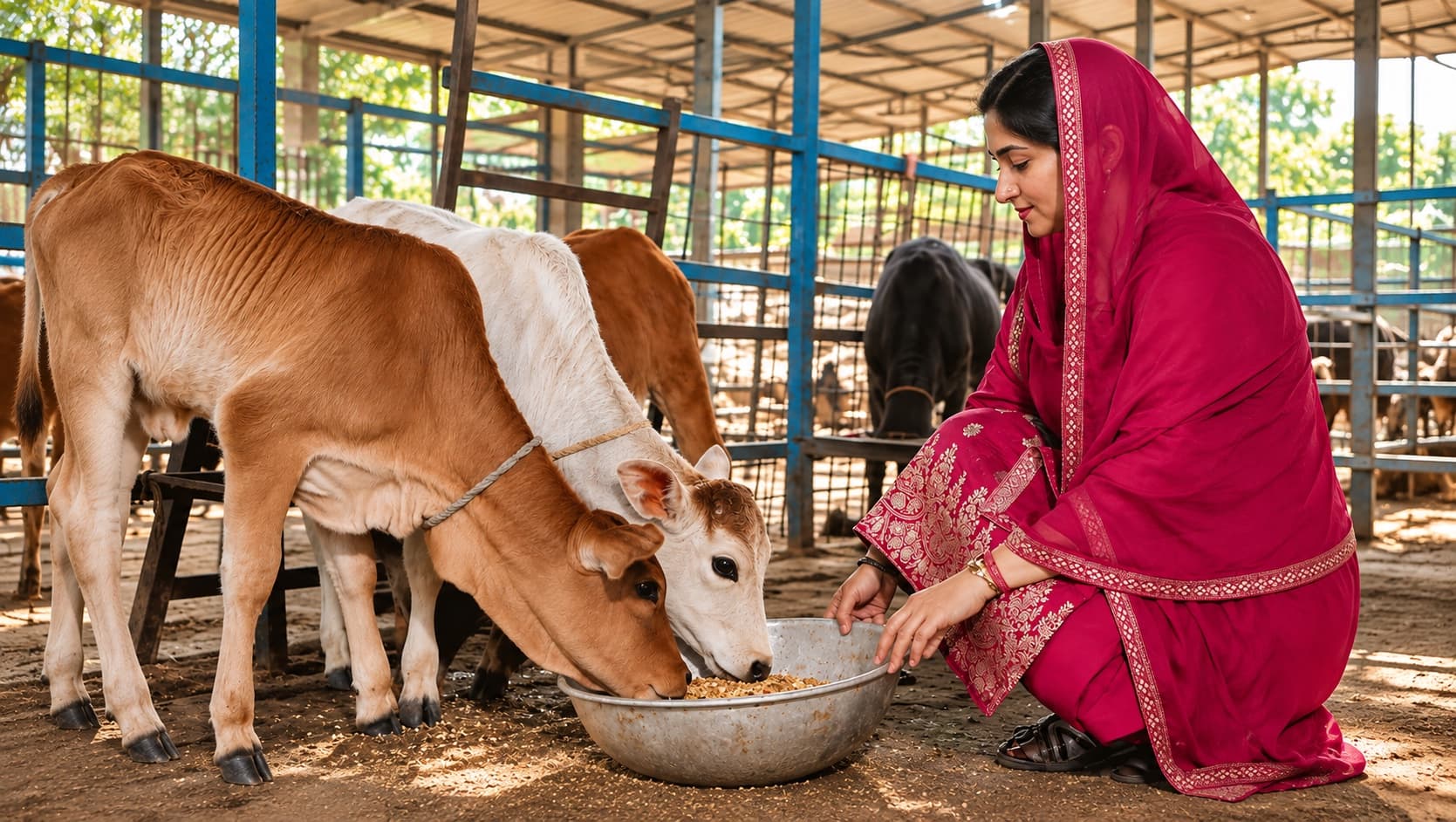
They post what the animals in their care need. Feed, medicine, water during a dry spell, a shed roof that has given way.
Jain community organisations
They run seva in their own area and post what it costs. Same verification, same proof, same trail as a Panjrapol.
How a donation works here
A verified shelter posts one specific thing it needs, with photographs and the exact cost. 500kg of cattle feed for ₹18,000, not a general appeal.
Cover the whole amount or part of it. Several donors can fund the same need. The money settles into that organisation's own bank account.
The purchase bill goes up, then photographs of the feed arriving, then a short written note on how it was used.
An admin or a volunteer reviews it before the need closes. Only then does it count towards the organisation's trust score.
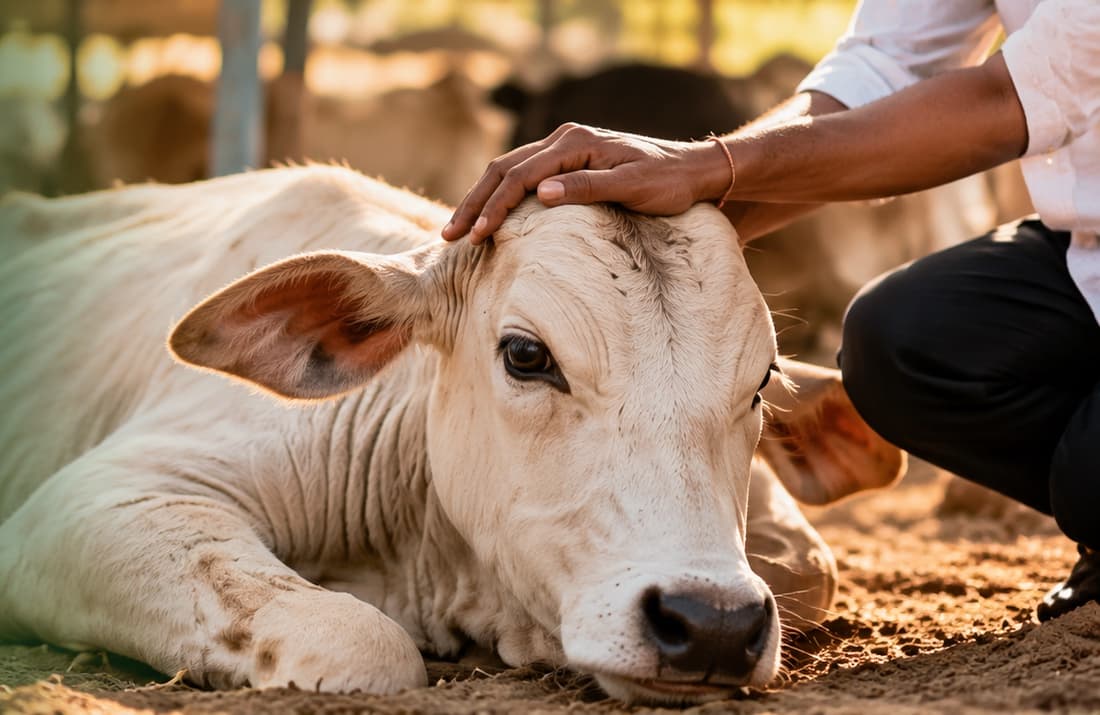
The proof photograph a shelter uploads once a funded requirement has been purchased.
Before a rupee can reach them
No organisation appears to donors until all six are cleared. Step five is a person standing in the shelter with a camera, not a form.
Name, address, registration number
Trust certificate, PAN, 12A and 80G, bank proof
Herd size, sick animals, staff, land and capacity
GPS location, photos, a confirmed map pin
One of our volunteers visits and files a report with photographs
Reviewed against every finding, then listed
Trust score
92 / 100
Illustrative figures. Real scores are computed per organisation and shown on its profile in the app.
Where the money goes
Payments run through Cashfree Easy Split. The amount settles directly into the receiving organisation's own bank account, usually within a working day or two. Jivdaya Setu is never the custodian of it.
Your 80G receipt is put together for you, one consolidated certificate per organisation per financial year, waiting in the app when you need it.
Pay in the app
Split settlement
Its own bank account
Jivdaya Setu sits outside this line. We record the transaction so the trail and the receipt work, and that is all we do with the money.
Open needs
We are onboarding the first group of shelters and sanghs now. When they are verified, their open needs appear here and in the app.
Banaskantha, Gujarat
₹11,500 of ₹18,000
Nashik, Maharashtra
₹9,000 of ₹42,000
Jodhpur, Rajasthan
₹65,000 of ₹65,000 · fully funded
These three are examples of the shape a real need takes, not live listings.
Guidance
Jivdaya is the care of living beings. It is an old duty, and it has never depended on knowing the animal in front of you.
There are around 7,676 registered Panjrapols in India. A handful of them are well known and comfortably funded. The rest do the same work quietly, in places nobody drives past, with no way to be seen. Jivdaya Setu is built for the rest.
The platform lets someone in Mumbai look after cattle in a village they will never visit, and then see the bill for the feed.
Browse verified shelters and sanghs, fund a specific need, and follow it through to the bill. Available in English, Hindi and Gujarati.
Both buttons go live the day the app is published.